 How-to
Average Wait Time for a Tow Truck in the US
Quick Summary
The article gives no specific average figure for how long a tow truck wait lasts, since arrival time depends on conditions. Time of day, weather, location, and demand all push the tow truck wait longer or shorter.
- Rush hour and late-night calls often lengthen the tow truck wait.
- Snow, ice, and storms slow every truck on the road.
- Urban areas usually get faster service than remote country roads.
- Ask the dispatcher for an estimated arrival time when you call.
- Track the truck with GPS if your service offers live tracking.
Table of Contents
- How Long a Tow Truck Takes to Arrive
- Why Tow Trucks Take So Long
- Booking Roadside Help in Indiana and What to Do While You Wait
- Frequently Asked Questions
How Long a Tow Truck Takes to Arrive
Last Updated: November 22, 2026
Tow truck arrival times vary with conditions. Some calls take longer, especially in rural areas or during bad weather. Bebanoch Roadside publishes this guide to help Indiana drivers know what to expect and what to do during a tow truck wait.
Wait time for a tow truck depends on several things:
- Time of day: Rush hour and late-night calls often take longer.
- Weather: Snow, ice, and storms slow down every truck on the road.
- Location: Urban areas usually get faster service than remote country roads.
- Demand: Many calls at once means fewer trucks free to respond.
Ask the dispatcher for an estimated arrival time when you call. Track the truck if your service offers live GPS tracking, so you can see its progress.
Several conditions affect how long a tow truck takes to reach you.
| Factor | Effect on wait | Note |
|---|---|---|
| Time of day | Longer | Rush hour and late-night calls |
| Weather | Longer | Snow, ice, and storms slow every truck |
| Location | Varies | Urban areas get faster service than remote roads |
| Demand | Longer | Many calls mean fewer free trucks |
Why Tow Trucks Take So Long
Tow trucks can take time to reach you for a few common reasons. Traffic, distance, and truck availability all play a part. Track your provider's progress to see exactly where the truck is and what to expect.
Here is what usually causes delays:
- Heavy traffic and rush-hour congestion
- The truck is already on another call
- Severe weather that slows travel
- A long distance from the nearest truck
Watch out: Do not walk along a busy highway shoulder to meet the truck. Stay in your vehicle with your seatbelt on, or wait well away from traffic.
Booking Roadside Help in Indiana and What to Do While You Wait
Request help as soon as you know you need it. Give the dispatcher your exact location, vehicle details, and the problem you are having.
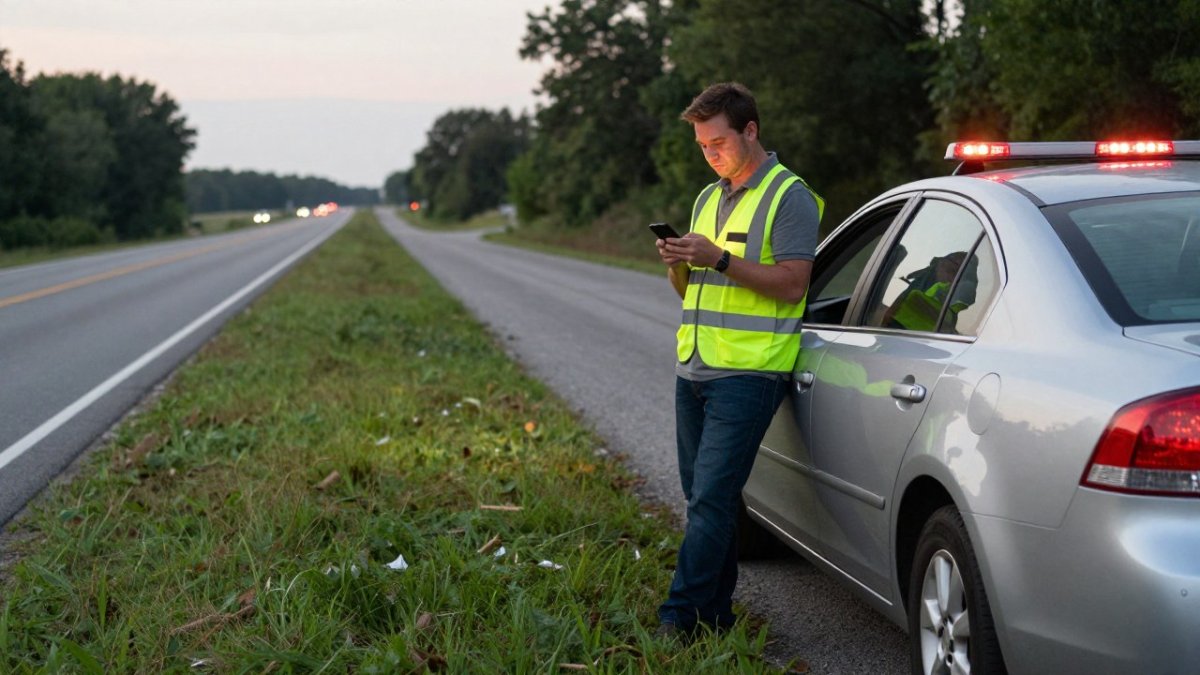
While you wait:
- Turn on your hazard lights.
- Move the car as far off the road as safely possible.
- Stay inside with your seatbelt on if the road is busy.
- Keep your phone charged and track the truck if you can.
To get emergency towing in Indiana, you can request assistance through Bebanoch Roadside. You can also track a tow truck in real time once help is on the way. For more on arrival times, read our guide on how long emergency towing takes.
Frequently Asked Questions
How long is the average wait for a tow truck?
Arrival times vary with location, weather, time of day and call volume. Rural locations, severe weather and rush hour can lengthen the wait. The dispatcher or app should give you an estimated arrival time when you book. If that estimate passes without a truck, call the company for an update rather than assuming the request was lost.
Are you supposed to wait for the tow truck?
Yes, in most cases you should wait for the truck and stay with your vehicle, as the driver needs you present to confirm the job, authorize the tow and sign the paperwork. Wait in a safe spot, such as well off the travel lanes or behind a guardrail if one is available, with hazard lights on. If you have a safety concern or need to leave, tell the dispatcher so the request can be updated or cancelled.
Why do tow trucks take so long?
Tow trucks often take longer than expected because of distance from the nearest available truck, heavy call volume, traffic and rush-hour congestion, and weather conditions that slow driving or close roads. Remote highway locations and busy holiday or storm periods add further delay. Providing an exact location, landmark and mile marker when you request help can reduce confusion and speed dispatch.